Why Hiring a Professional Land Surveyor Is Essential Before Starting Construction
Before a single foundation is poured or a fence post is driven into the ground, there is one step that every property owner, developer, and contractor in Wichita must take: hire a qualified land surveyor in Wichita, KS. Skipping this step can cost far more than the survey itself, from costly boundary disputes to construction halts that derail entire projects and drain budgets without warning. Fortunately, local surveying professionals like Garber Surveying Service, P.A., provide the precise, legally defensible measurements that every construction project demands. In this article, we break down exactly what a land survey is, why it is a non-negotiable part of pre-construction planning, what types of surveys are commonly used, and how modern technology is raising the bar for accuracy across the industry.
What Is a Land Survey, and Why Is It Required Before Construction?
A land survey is the professional process of measuring, mapping, and defining the boundaries, contours, and legal characteristics of a parcel of land. Licensed surveyors use a combination of field measurements, historical deed research, and advanced instrumentation to produce a legally recognized document that describes the property with mathematical precision.
Most municipalities, including those in Sedgwick County and the greater Wichita area, require a current survey before issuing building permits, making a trusted land surveyor an essential part of any pre-construction plan. Lenders financing new construction typically demand one as well. But beyond regulatory requirements, a survey is simply smart due diligence.
The Role of a Land Construction Surveyor
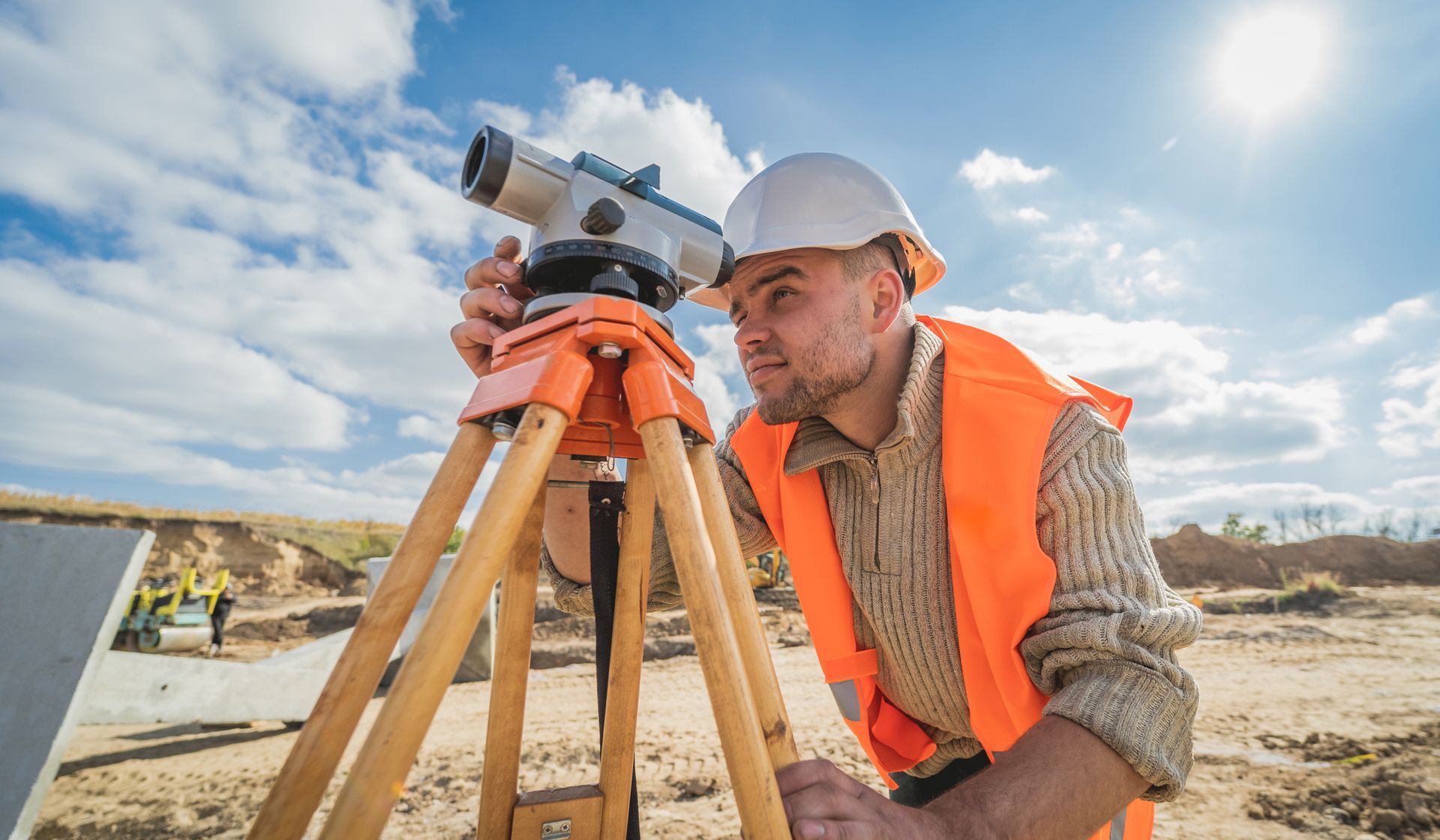
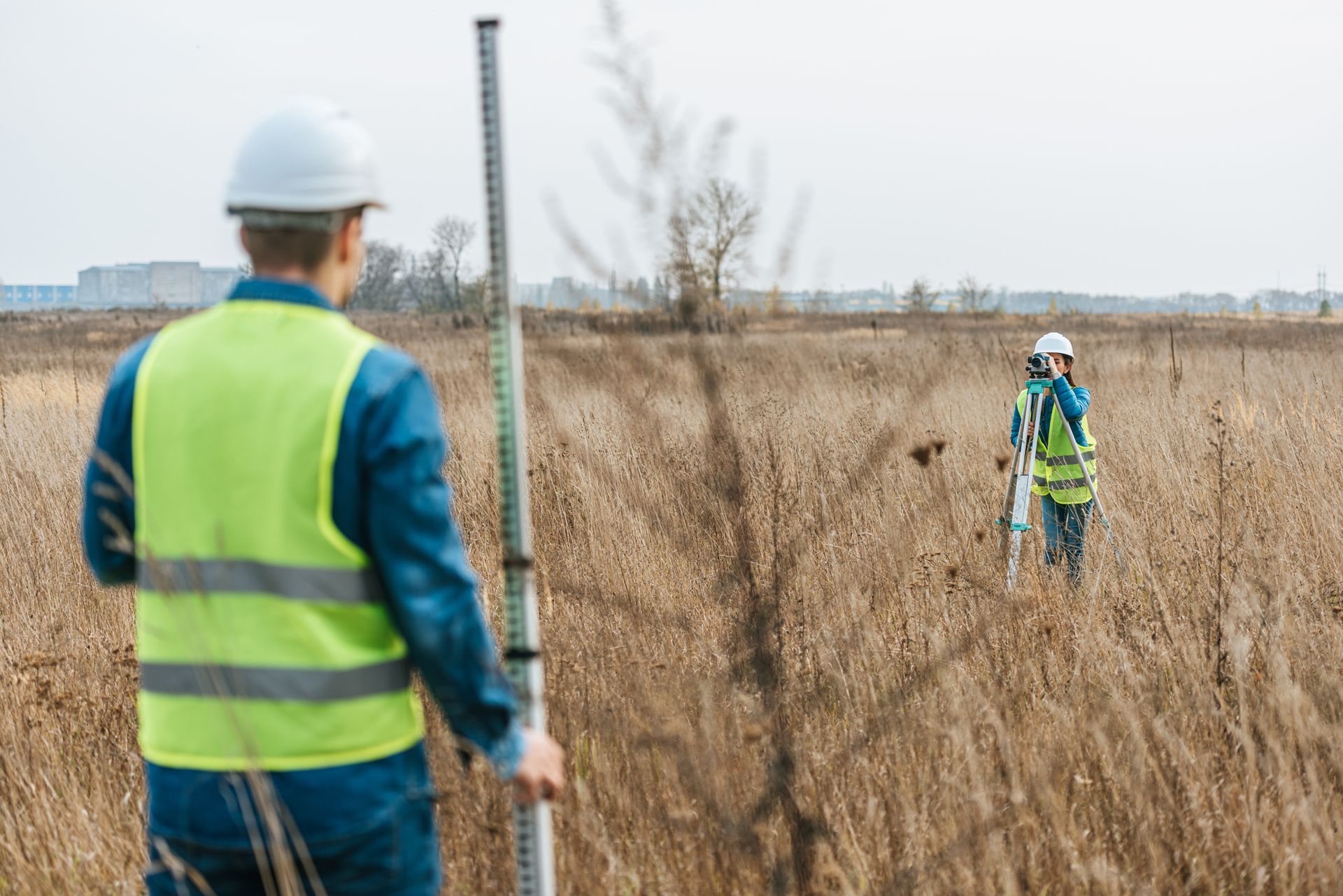
A land construction surveyor serves as a critical partner throughout the entire building process, not just at the very beginning. While a boundary survey establishes property lines before the project starts, construction staking guides the physical placement of structures during the actual build. This involves marking the exact locations of building corners, utility corridors, road alignments, grading limits, and other essential site features so that contractors can work with full confidence.
During site preparation and grading, a construction surveyor provides elevation data that ensures proper drainage and long-term structural stability. As the project progresses, surveyors may return to the site at multiple phases to verify that construction aligns with the approved engineering and architectural plans.
Risks of Building Without a Proper Survey
The consequences of bypassing a professional land surveyor before breaking ground can range from minor inconveniences to financially devastating legal conflicts. Here are the most significant risks every property owner should understand before starting construction.
- Boundary Disputes. Without a clearly defined survey, neighbors may contest where your property ends and theirs begins. These disputes can escalate to litigation, forcing costly legal battles and, in some cases, the mandatory removal of structures already built on contested land.
- Zoning and Setback Violations. Every municipality has rules about how close a building can be to property lines, roads, and recorded easements. A survey reveals whether your planned structure complies with these regulations before construction begins. Building in violation can result in stop-work orders, fines, and mandatory modifications.
- Construction Delays. Discovering a problem mid-project, such as an unrecorded utility easement running directly beneath a planned structure, is far more disruptive and expensive to address than finding it during a pre-construction survey.
- Title and Financing Complications.
Lenders and title companies routinely require surveys before approving mortgages or title insurance policies. An outdated or missing survey can stall closings and delay financing arrangements indefinitely.
Types of Surveys Commonly Used in Construction
Not every project requires the same type of survey from a land surveyor. Understanding the differences helps property owners and contractors select the right service for their specific needs and project scope.
- Boundary Survey. Establishes the legal property lines of a parcel based on recorded deed information and precise field measurements. This is the essential baseline survey for any project where knowing the exact limits of ownership is required before construction can begin.
- Topographic Survey. Maps the natural and man-made features of a site, including elevation changes, drainage patterns, existing vegetation, and structures already on the property. Engineers and architects rely on topographic data to design buildings and infrastructure that work with the existing land, not against it.
- ALTA/NSPS Land Title Survey. A comprehensive survey that meets the strict national standards established by the American Land Title Association and the National Society of Professional Surveyors. This type of survey is commonly required for commercial real estate transactions, lender approvals, and title insurance underwriting, and it provides a detailed picture of boundaries, easements, encroachments, and rights-of-way.
How Modern Technology Improves Survey Accuracy and Project Efficiency
Today's professional surveyors rely on far more than tape measures and traditional optical instruments. Modern surveying technology has dramatically improved the speed, precision, and practical usefulness of survey data across all project types and scales.
- GPS and GNSS systems allow surveyors to establish precise geographic coordinates by connecting to satellite networks with sub-centimeter accuracy. These systems work efficiently across large parcels where traditional measurement methods would be time-consuming and prone to accumulated error.
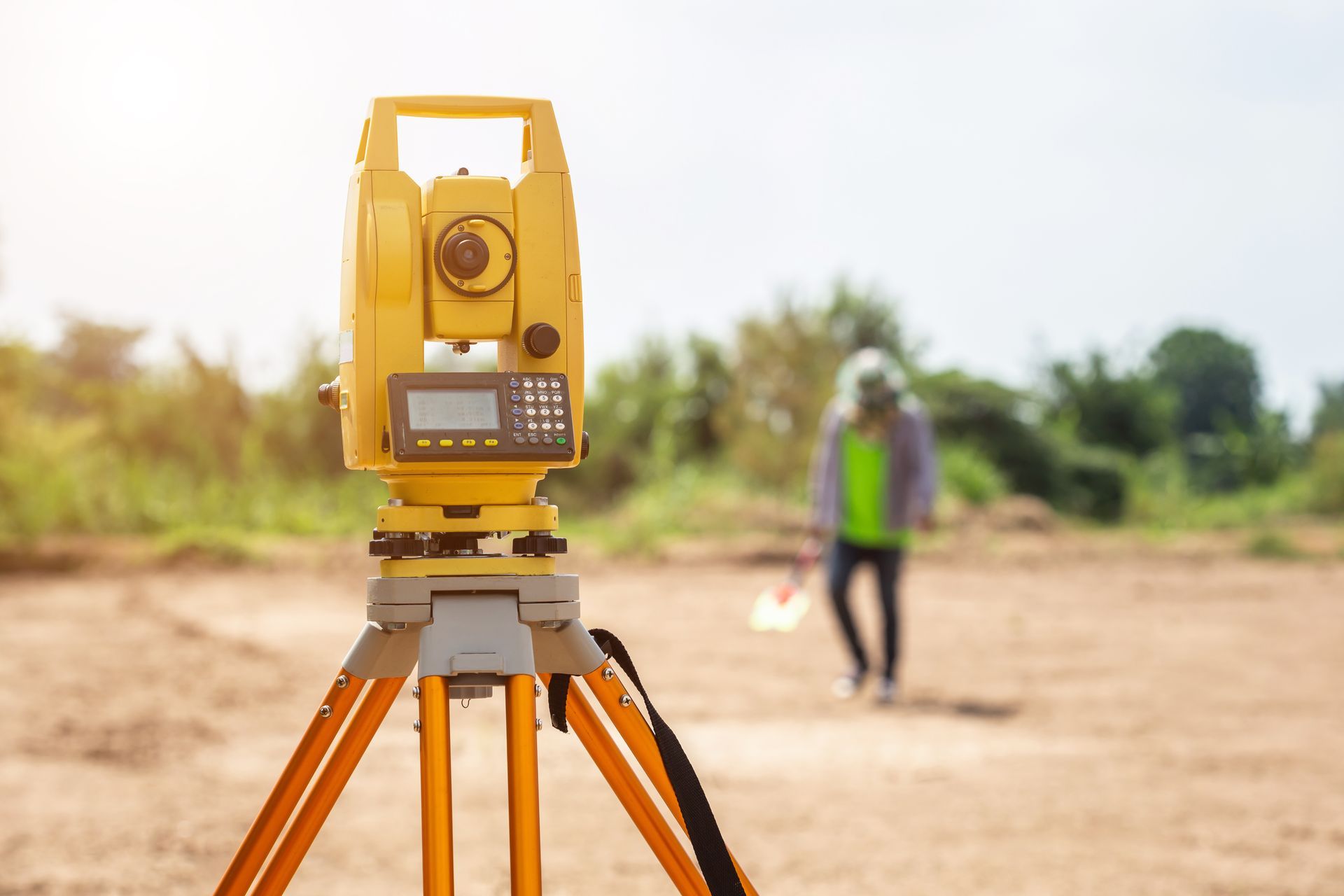
- Robotic total stations are self-tracking instruments that allow a single surveyor to collect precise angle and distance data remotely, improving efficiency on active construction sites where both safety and speed are equally important.
- 3D laser scanning and LiDAR technologies capture millions of data points from a site in a matter of minutes, generating detailed point clouds that can be used to create accurate topographic models, verify as-built conditions, and detect discrepancies between existing site conditions and engineered plans.
- CAD and GIS software translates raw field data into precise digital deliverables, survey plats, topographic maps, and site plans that integrate seamlessly with engineering and architectural workflows. This interoperability reduces miscommunication between project teams and accelerates timelines from design through permit approval.
Schedule Your Survey Before Construction Begins
Every successful construction project in the Wichita area starts with accurate, professional survey data. Whether you are breaking ground on a new home, developing a commercial property, or subdividing land for future use, working with a qualified land surveyor is the essential first step that protects your investment, keeps your project on schedule, and ensures that everything you build stands on legally sound ground. Contact Garber Surveying Service, P.A. today to request a quote and get the precise, reliable survey your project needs before construction ever begins.
Recent Posts